If you have seen someone type what it mean in a text comment DM or social media post you may have wondered whether it is slang a typo or a special internet expression
Usually what it mean simply means what does it mean? The difference is that the phrase leaves out the helping verb does. In standard English What does it mean? is grammatically correct. In casual online communication, however people sometimes shorten or alter sentences for speed style humor dialect or informal conversation.
That distinction matters because internet language does not always follow textbook grammar. A phrase can be grammatically unusual while still being easy for other people to understand.
In this guide we will look at what what it mean means in text why people write it that way, how it differs from what does it mean? and how to understand the phrase when you encounter it on social media.
What Does What It Mean Mean in Text?
In most texting situations, “what it mean” is an informal version of “what does it mean?”
For example:
“I keep seeing this abbreviation. What it mean?”
The person is simply asking:
“What does this abbreviation mean?”
There usually is not a hidden meaning behind the phrase.
The missing word “does” is what makes the expression grammatically different from standard English. In everyday texting, people often drop words when the intended meaning remains obvious.
You might see similar shortened expressions such as:
- “What this mean?”
- “What that mean?”
- “What he mean?”
- “What you mean?”
- “What this supposed to mean?”
Some of these forms are more common in particular dialects, communities, or conversational styles. Their meaning depends heavily on context.
Is “What It Mean” Grammatically Correct?
In standard written English, “what it mean” is generally not grammatically correct when it is intended as a direct question.
The standard form is:
“What does it mean?”
The word “does” is needed because English uses an auxiliary verb to form this type of present-tense question.
Compare these examples:
- Incorrect in standard English: “What it mean?”
- Correct: “What does it mean?”
However, that does not mean every person who writes “what it mean” is making a serious mistake.
Texting is informal. People frequently leave out words, ignore punctuation, use abbreviations, and deliberately bend grammar. In casual conversation, the goal is often quick communication rather than formal correctness.
So if someone sends you “what it mean?”, you can normally understand it as a request for an explanation.
Why Do People Say “What It Mean” Instead of “What Does It Mean?”
There are several possible reasons.
1. They Are Typing Quickly
Texting encourages shortcuts.
When people communicate through messaging apps, they often type the shortest version that gets their point across. Words such as “does,” “are,” and “do” may occasionally disappear.
For example:
“What it mean?”
is quicker than:
“What does it mean?”
The shorter version may be completely understandable to the person receiving it.
2. It May Be Part of Someone’s Natural Speech or Dialect
English is spoken in many different varieties around the world.
Some grammatical patterns that are considered nonstandard in formal English may be natural within a particular dialect or community. A phrase should therefore not automatically be treated as evidence that someone does not know English.
Language changes depending on region, culture, community, and situation.
3. The Person May Be Using Informal Internet Language
Social media has created countless casual language habits.
People intentionally remove words, change spelling, or write sentences the way they sound when spoken. This can make messages feel relaxed and conversational.
For instance:
“What this mean tho?”
Here, “tho” is an informal spelling of “though,” while the sentence itself uses a shortened structure.
The writer may simply be trying to sound casual.
4. It Can Be Used for Humor
Sometimes people deliberately use grammatically unusual wording because it sounds funny.
For example:
“You just sent me 14 paragraphs. What it mean?”
The unusual grammar may be part of the joke rather than an actual language error.
Online humor often relies on intentionally awkward wording, exaggerated reactions, and deliberately incorrect grammar.
“What It Mean” vs. “What Does It Mean”
The two expressions generally communicate the same question.
The main difference is formality and grammatical structure.
| Phrase | Meaning | Standard English? | Typical Use |
|---|---|---|---|
| “What does it mean?” | Asking for an explanation | Yes | School, work, everyday conversation |
| “What it mean?” | Asking for an explanation | No, in standard English | Informal texting or social media |
| “What this mean?” | Asking what something means | No, in standard English | Casual online conversation |
| “What do you mean?” | Asking someone to clarify their statement | Yes | Conversation and texting |
| “What does that mean?” | Asking for an explanation | Yes | General conversation |
One important point is that “What do you mean?” is not always the same as “What does it mean?”
If someone says:
“I don’t like this.”
You might reply:
“What do you mean?”
You are asking the person to clarify their statement.
But if someone sends you an unfamiliar abbreviation, you might say:
“What does it mean?”
You are asking for the definition or explanation of the abbreviation.
What Does “What It Mean” Mean on Social Media?
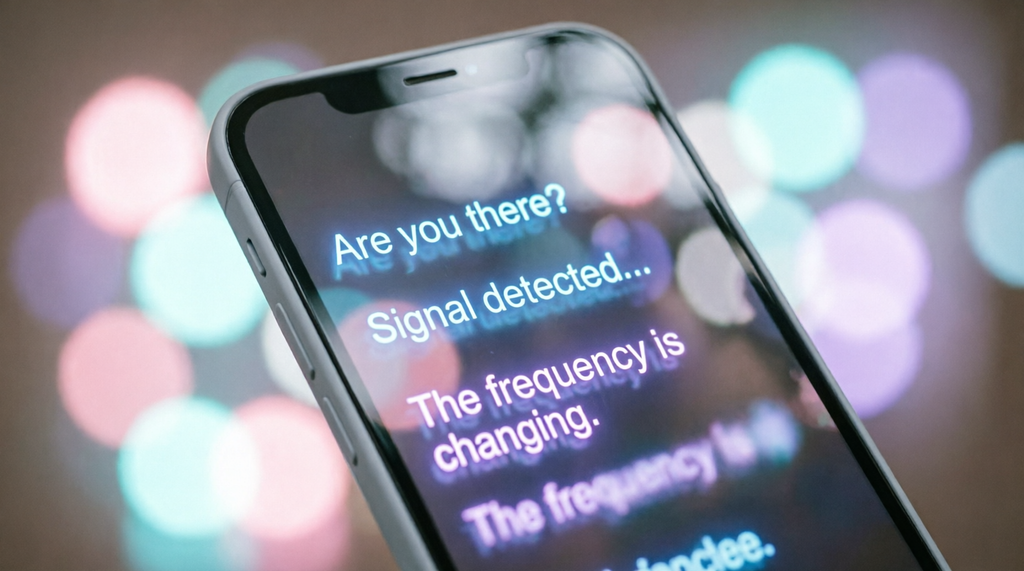
On platforms such as TikTok, Instagram, Facebook, X, Reddit, or messaging apps, “what it mean” usually has the same basic meaning: “What does it mean?”
The exact tone depends on the conversation.
Someone might comment:
“What it mean?”
because they do not understand a slang term.
Another person might write:
“Okay but what it mean 😂”
because they are jokingly asking for an explanation.
Someone else might use:
“What it mean tho?”
as a deliberately casual way of asking for clarification.
Social media language is highly context-dependent, so punctuation, emojis, spelling, and surrounding comments can change the tone.
Examples of “What It Mean” in Text Messages
Here are some realistic examples.
Example 1: Asking About Slang
Person A: “He called me a ‘NPC.’”
Person B: “What it mean?”
Here, Person B is asking for the meaning of NPC.
Example 2: Asking About an Abbreviation
Person A: “The email says ETA 6 PM.”
Person B: “What it mean?”
The intended question is:
“What does ETA mean?”
Example 3: Casual Social Media Comment
Person A: “This new trend is everywhere.”
Person B: “What it mean? 😂”
The person may be asking what the trend represents or why people are doing it.
Example 4: Deliberate Humor
Person A: “I studied for five hours and still failed.”
Person B: “What it mean 😭”
Here, the unusual grammar could simply add a humorous or exaggerated tone.
Does “What It Mean” Have a Hidden Slang Meaning?
Usually, no.
The phrase itself does not have one universal secret definition in texting.
If you encounter it without context, the safest interpretation is:
“What does it mean?”
However, context can change what the person is asking about.
For example:
“What it mean when someone leaves you on read?”
This means:
“What does it mean when someone leaves you on read?”
The phrase is not introducing a new definition. It is simply forming an informal question.
What Does “What It Mean” Mean in a Comment?
When someone comments “what it mean?” under a post, they are generally asking the original poster or another commenter to explain something.
The thing they do not understand could be:
- a slang word
- a meme
- an abbreviation
- a symbol
- an emoji
- a joke
- a cultural reference
- a phrase
- a trend
- a video
- a caption
For example, if someone posts:
“That outfit is giving main character energy.”
Another user might comment:
“What it mean?”
They are likely asking what “main character energy” means.
What Should You Reply to “What It Mean?”
If someone sends you “what it mean?”, the easiest response is simply to explain the term they are asking about.
For example:
Them: “What it mean?”
You: “It means they are saying the person is confident and acts like the main character.”
You do not need to correct their grammar unless the situation calls for it.
If the person is learning English, you might gently say:
“It means ‘What does it mean?’”
But in an ordinary text conversation, correcting the grammar can be unnecessary.
The most useful response is usually to answer the actual question.
Is “What It Mean” Rude?
Not necessarily.
The phrase itself does not automatically sound rude.
Tone depends on the surrounding words, punctuation, and relationship between the speakers.
Compare:
“What it mean?”
with:
“WHAT IT MEAN???”
The second version can sound more intense or impatient because of capitalization and punctuation.
Similarly:
“What it mean 😂”
may sound playful.
And:
“Wait, what it mean?”
can sound genuinely confused.
So you should judge the whole message, not just the grammar.
Is “What It Mean” Gen Z Slang?
It can appear in conversations involving younger internet users, but it is not accurate to describe the phrase itself as exclusively Gen Z slang.
People from many age groups use informal grammar online.
Internet language also spreads quickly between generations and communities. A phrase that appears frequently among one group can become familiar to much wider audiences.
More importantly, “what it mean” is not a special Gen Z definition of something. It is generally just an informal version of a standard question.
Why Is Internet Grammar Different?
Texting has changed how people communicate.
Traditional writing usually emphasizes:
- complete sentences
- correct punctuation
- standard spelling
- formal grammar
- organized paragraphs
Online communication often prioritizes:
- speed
- personality
- humor
- emotion
- convenience
- conversational tone
That is why you might see:
“u good?”
instead of:
“Are you okay?”
Or:
“what this mean”
instead of:
“What does this mean?”
The shorter versions can feel more natural in certain online environments.
This does not mean formal grammar has disappeared. It simply means people switch between different styles depending on where they are communicating.
When Should You Use “What It Mean”?
If your goal is casual texting, the phrase may be understood without difficulty.
However, if you are writing something formal, use the standard version:
“What does it mean?”
This is especially important for:
- school assignments
- professional emails
- business communication
- applications
- essays
- reports
- formal websites
- academic writing
For casual messages to friends, grammar expectations are much more relaxed.
What Is the Correct Way to Say It?
The standard English question is:
“What does it mean?”
Here are some natural alternatives:
- “What does that mean?”
- “What does this mean?”
- “What is the meaning of this?”
- “Can you explain what this means?”
- “What are you saying?”
- “What do you mean by that?”
The best choice depends on what you are trying to ask.
“What Does It Mean?” vs. “What Do You Mean?”
This distinction is especially useful for English learners.
“What does it mean?”
Use this when you want to know the meaning of a word, phrase, symbol, sign, or idea.
Example:
“What does this abbreviation mean?”
“What do you mean?”
Use this when you want someone to clarify their own statement or intention.
Example:
“You said I should wait. What do you mean?”
The questions are similar, but they focus on different things.
Common Situations Where You May See “What It Mean”
The phrase can appear in many online situations.
Text Messages
A friend might send:
“You keep saying ‘lowkey.’ What it mean?”
They want a definition.
TikTok Comments
Someone may see an unfamiliar trend and write:
“What it mean?”
They are asking other users to explain it.
A follower might comment:
“What it mean when you say ‘locked in’?”
They want clarification about the phrase.
Someone might encounter an unfamiliar acronym and ask:
“What it mean?”
Again, they are simply asking for an explanation.
Online Gaming
A player may encounter unfamiliar terminology and ask:
“What it mean?”
The meaning could depend on the particular game or community.
Does Context Change the Meaning?
Yes.
This is one of the most important things to remember about internet language.
Consider:
“What it mean?”
By itself, it is vague.
But:
“What it mean when he says ‘bet’?”
clearly asks about the slang word “bet.”
Likewise:
“What it mean on Snapchat?”
could be asking about a particular icon, status, abbreviation, or feature.
The words around the phrase tell you what the person wants to understand.
Could “What It Mean” Be a Typo?
Absolutely.
Someone may have intended to write:
“What does it mean?”
but typed quickly and accidentally left out “does.”
This is particularly likely when the conversation is moving quickly.
You generally do not need to spend too much time analyzing the grammar. If the intended meaning is obvious, simply understand it from context.
Could It Be Intentional?
Yes.
People sometimes intentionally write grammatically unusual English online.
They may be:
- joking
- imitating a particular speaking style
- creating a meme
- being playful
- emphasizing informality
- copying a viral phrase
- trying to sound conversational
This is common across internet culture.
A phrase that looks “wrong” according to formal grammar can still perform a useful social function.
How English Learners Can Understand It
If you are learning English, do not assume that every phrase you encounter online follows textbook grammar.
Internet communication contains many informal constructions.
When you see:
“What it mean?”
mentally translate it to:
“What does it mean?”
Then look at the surrounding conversation to determine what the person wants explained.
This approach can help you understand casual English without confusing informal language with standard grammar.
It is also useful to learn both forms:
Formal/standard:
“What does it mean?”
Informal/nonstandard:
“What it mean?”
Knowing the difference helps you recognize the phrase without accidentally using the informal version in a formal situation.
Other Similar Texting Expressions
“What it mean” belongs to a larger pattern of shortened online communication.
You may also see:
- “What this mean?” — What does this mean?
- “What that mean?” — What does that mean?
- “What he mean?” — What does he mean?
- “What she mean?” — What does she mean?
- “What you mean?” — What do you mean?
- “What u mean?” — What do you mean?
- “Wdym?” — What do you mean?
- “Wym?” — What you mean?
These expressions are not identical in every context, but they generally involve asking for clarification.
What Does “Wdym” Have to Do With It?
If you are researching “what it mean”, you may also encounter WDYM.
WDYM commonly stands for:
“What do you mean?”
It is an abbreviation used in texting and online conversations.
For example:
“I don’t think you understand.”
Someone might reply:
“WDYM?”
That means:
“What do you mean?”
Notice that WDYM usually asks about a person’s statement, while “what does it mean?” commonly asks about the meaning of a word, phrase, or concept.
Should You Use “What It Mean” in Formal Writing?
Generally, no.
If you are writing for school, work, or a professional audience, use:
“What does it mean?”
Standard English makes your meaning clearer and avoids unnecessary confusion.
Informal internet language has its place, but it is useful to know when to switch styles.
Think of language as having different settings. You might talk one way with a close friend and another way in a job interview. Both situations involve communication, but the expectations are different.
Why Understanding Internet Slang Matters
Internet slang can sometimes look confusing because people use familiar words in unfamiliar ways.
A beginner might see:
“what it mean tho 💀”
and wonder whether the phrase has a complicated slang definition.
Usually, the answer is much simpler.
It probably means:
“What does it mean, though?”
The emoji and informal wording simply add tone.
Understanding these patterns can make social media, texting, online communities, and casual English much easier to navigate.
FAQs:
What does “what it mean” mean in a text?
It usually means “What does it mean?” It is an informal or nonstandard version of the standard English question.
Is “what it mean” correct English?
It is generally not considered standard grammatical English when used as a direct question. “What does it mean?” is the standard form.
Is “what it mean” slang?
It can be used as informal internet language, but it is not necessarily a special slang term with its own hidden definition.
Is “what it mean” rude?
Not by itself. The tone depends on context, punctuation, capitalization, emojis, and the relationship between the people communicating.
What is the correct version of “what it mean”?
The standard version is “What does it mean?”
Does “what it mean” mean the same thing as “what does it mean?”
Usually, yes. Both are generally asking for an explanation.
What does “what do you mean?” mean?
It usually asks someone to clarify their statement, intention, or point.
Is “what it mean” Gen Z slang?
It may appear in Gen Z and broader internet conversations, but it is not exclusively a Gen Z expression.
Should I use “what it mean” at work?
It is better to use “What does it mean?” in professional communication.
What does “WDYM” mean?
WDYM commonly means “What do you mean?” It is a popular texting abbreviation.
Final Takeaway
When you see what it mean in a text the simplest interpretation is usually the correct one: the person is asking What does it mean?
The phrase may be the result of fast typin casual internet language, a particular dialect deliberate humor or simply a grammatical mistake. It does not automatically carry a hidden slang meaning.
For standard English remember:
What does it mean?
For casual online conversations you may encounter:
What it mean? an informal/nonstandard version that is usually easy to understand.
The key is context. Internet English changes quickly and not every unusual sentence is a new piece of slang. Sometimes people are simply typing the way they talk or the way they want to sound online.

Zeya is an experienced English language writer, researcher, and content creator with over 5 years of experience in writing about words, phrases, slang, abbreviations, texting language, internet expressions, and everyday English communication.
As a dedicated author at LearnzText, Zeya focuses on making confusing words, short forms, slang terms, and modern expressions easy to understand. Her writing combines careful research with simple, natural explanations so readers can quickly discover what a word or phrase means, how it is used, and what it means in different conversations and social media contexts.
 ramzanmalikk001@gmail.com
 Alina Mark
[…] https://learnztext.com/what-it-mean-in-text/ […]